
Feb. 2, 2026
BY SAL SAYGIN SIMSEK
Iran is an authoritarian theocratic republic governed by a political system centered on velayat-e faqih (“Guardianship of the Islamic Jurist”). The Supreme Leader holds ultimate authority over the executive, judiciary, and military, and political pluralism is extremely limited under this framework.
Iran has a very oppressive government because:
1. Severe Restrictions on Civil and Political Rights: Freedom of speech, press, association, and assembly are tightly controlled; dissidents, journalists, activists, and even ordinary citizens can be detained for expressing critical views. Internet access is heavily censored, with major global platforms blocked and traffic monitored to stifle dissent.
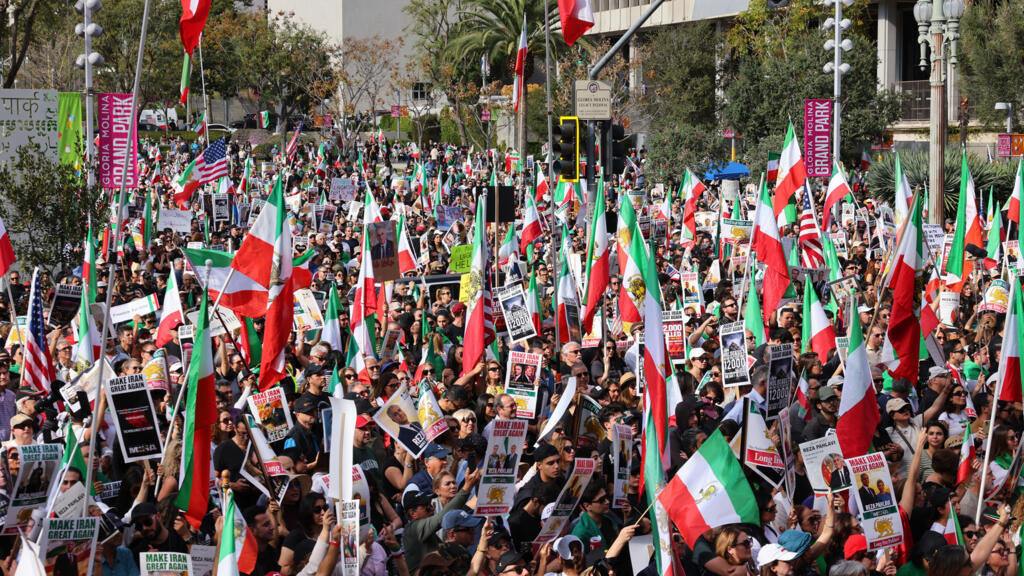
2. Systematic Crackdowns on Protests: Spread of anti-government protests (e.g., “Woman, Life, Freedom” movement) has triggered large-scale repression, including arrests, use of force, and state violence against demonstrators. Recent reporting suggests the crackdown in late 2025–early 2026 may have resulted in thousands of deaths, with independent estimates far exceeding official figures.
3. Arbitrary Arrests, Torture, and Executions: Political prisoners face arbitrary detention, unfair trials, and reports of torture and harsh treatment. Execution remains a widely used punishment — including for political cases or protest participation.
4. Discrimination Against Women and Minorities: Government enforcement of compulsory dress codes (like hijab laws) and other restrictions disproportionately affect women and girls. Religious minorities (e.g., Bahá’ís) and ethnic groups face systematic discrimination and exclusion from basic rights.
In international human-rights discourse, the Iranian government is commonly described as oppressive due to systemic suppression of basic freedoms, violent crackdowns and lethal force against protesters, arbitrary arrests, unfair trials, and executions, discrimination and systematic targeting of women, minorities, and activists, and heavy censorship and surveillance. This characterization reflects assessments by multiple human-rights organizations, UN bodies, and independent investigations, not solely political rhetoric.
The following are the major Protests & State Crackdowns in Iran:
2009Green Movement: Triggered by the alleged fraud in Mahmoud Ahmadinejad’s re-election. Millions protested nationwide. Government’s Response: Mass arrests, lethal force, show trials. Result: Movement crushed; reformist leaders placed under long-term house arrest
2017–2018 – Economic Protests: Triggered by the inflation, unemployment, corruption. Spread rapidly to smaller cities. Government’s Response: Arrests, censorship, intimidation. Significance: Marked shift from reformist to openly anti-regime slogans.
2019 Fuel Price Uprising: Triggered by the overnight fuel price hikes (up to 300%). Government’s Response: Internet shut down nationwide & Security forces used live ammunition. Death toll was widely estimated in the hundreds to over 1,000. One of the bloodiest crackdowns since 1979
2022“Woman, Life, Freedom” Movement: Triggered by the death of Mahsa Amini in morality at police custody. It was led largely by women and youth. Government’s Response: Live fire, mass arrests & Accelerated executions. It caused deep legitimacy crisis for the regime; protests endured for months
2023–2024 – Ongoing Resistance: Women rejecting compulsory hijab & Labor strikes, student protests. Government’s Response: Surveillance expansion, facial recognition, longer prison sentences
2025–2026 – Renewed Crackdowns: It happened due to economic collapse, regional conflict pressures. Government’s Response: Pre-emptive arrests & Reports of secret executions and mass detentions. Protest suppression before gatherings can scale
Over 15+ years, Iran shows a consistent pattern: Protest → violent suppression → arrests/executions → international condemnation → no structural reform.
The intensity of repression has increased, while tolerance for dissent has collapsed, especially since 2022.
Here’s a factual overview of how Iran’s foreign policy and military posture have been perceived as aggressive toward its neighbors and the wider region — including both direct actions and indirect influence:
Direct Military Posture & Threats to Neighbors:
Military Warnings to Neighboring States: Iranian commanders have publicly warned that neighboring countries will be considered “hostile” if their territory — including land, airspace, or waters — is used against Iran in any conflict. This stance signals a willingness to broaden a conflict beyond its borders under certain conditions.
Ballistic and Drone Capabilities: Iran’s ballistic-missile program remains one of the largest in the Middle East. While Tehran frames this as deterrence against external threats, the sheer scale and range of its missiles — and integration with drones — raise security concerns among neighbors and global powers because of possible use in offensive or destabilizing actions.
Proxy Networks & Influence Operations: Iran does not operate solely through its conventional armed forces. Much of its regional assertiveness stems from support for allied non-state actors:
Hezbollah in Lebanon: Hezbollah has deep ties to Tehran and functions as a major Iranian proxy in the Levant. Iran provides money, weapons, training and political backing, enabling Hezbollah to project force against Israel and influence Lebanese politics. This is a core element of the long-standing Iran–Israel proxy conflict.
Houthis in Yemen: Iran has supplied the Houthi movement in Yemen with weapons, training, and logistics, helping it build capabilities to threaten Saudi Arabia and disrupt shipping through the Bab al-Mandab strait. Some analysts see the Houthis as significant Iranian partners in regional disputes, even as the Houthi leadership sometimes asserts its independence.
Shia Militias in Iraq and Syria: Iranian-aligned militias in Iraq and Syria have acted with varying degrees of autonomy, but Tehran has supported, armed, and sometimes directed these groups as part of its broader effort to maintain influence and challenge U.S. or allied forces in the region.
Proxy Conflicts & Regional Tensions:
Iran–Israel Proxy War Iran and Israel have been engaged in an ongoing proxy conflict featuring Iranian support for Hezbollah and Palestinian groups like Hamas, and Israeli airstrikes targeting Iranian allies and infrastructure. The conflict intensified into broader clashes in 2024–2025, leading to direct attacks involving missiles and drones.
Impact on Gulf States: Iran’s alliances and rhetoric have sometimes strained relations with Gulf monarchies. While some Gulf countries seek détente with Tehran to stabilize the region, there remain deep suspicions over Iran’s strategic intentions and security policies.
Why Tehran Pursues These Policies? Many analysts point to a combination of historical insecurity, ideological goals, geopolitical competition, and strategic deterrence as drivers behind Iran’s assertive posture:
- Historical Hostility: Memories of the 1980–1988 Iran–Iraq War and early post-Revolution isolation shaped Iran’s view that strong deterrence and networks of allies are vital for survival.
- Security Dilemma: Iran sees itself threatened by U.S. military power and rivals like Israel and Saudi Arabia; its responses are often framed as necessary for defense.
- Ideological Export: Elements within Iran view support for movements they call “resistance” as both ideological commitment and a means to extend influence.
Iran’s foreign policy toward its neighbors combines strong deterrent rhetoric and missile buildup, extensive support for proxy groups that influence or fight within neighboring states, proxy conflicts (especially with Israel) that spill over borders, and regional warning messages that could widen conflicts if other states are drawn in
These policies are widely described as assertive or aggressive by foreign governments and security analysts – even as Iranian leadership frames them as necessary defense and regional posture.
Bringing liberty and freedom to Iran is considered essential by many human-rights advocates, international institutions, and Iran’s own citizens for a combination of moral, legal, social, and geopolitical reasons.
At the core of the argument is that freedom and liberty are universal human rights – not privileges granted by governments – and Iranians are entitled to them just like people elsewhere. The Universal Declaration of Human Rights recognizes rights such as freedom of speech, belief, and peaceful assembly as inherent to every person. In Iran today, freedoms of expression, assembly, press, religious belief, and gender equality are heavily restricted, with many journalists and activists facing arrests or imprisonment simply for speaking out. Without these rights, citizens cannot advocate for their interests, challenge abuses, or participate meaningfully in shaping their own society – fundamental elements of human dignity and self-determination.
Iranians themselves have repeatedly shown widespread desire for greater freedom and structural change. Recent surveys indicate a majority would choose regime change or significant political reform if given the choice. Movements like the “Woman, Life, Freedom” movement show sustained popular demand for social and political liberties, especially regarding women’s rights and equality. True freedom is not just a foreign idea but a deeply rooted aspiration among Iranians across generations – a prerequisite for long-term stability and justice.
Under international law, including treaties Iran has signed, nations are obliged to uphold basic rights such as freedom of thought, religion, movement, and peaceful protest. Iran’s current system, where elections are tightly controlled by unelected bodies and many political voices are excluded, fails to meet democratic standards. Respecting these norms is not optional for responsible nations – it’s part of how peaceful global interaction, cooperation, and mutual respect are built.
Freedom, especially freedom of expression, assembly, and thought, is closely tied to innovation, scientific progress, and economic development. Research on Iran’s political and educational restrictions shows that prolonged authoritarian governance has slowed scientific collaboration and institutional growth compared to regional and global peers. A freer society typically allows greater creativity, investment, and human potential to flourish, benefiting not just individuals, but the country as a whole.
An Iran where people enjoy civil liberties and political freedom would be less likely to engage in aggressive regional politics and proxy conflicts. A government responsive to its citizens, rather than isolated elite interests, may pursue more stable relations with neighbors and reducing conflict drivers across the Middle East. Internal freedom doesn’t just improve life within Iran, it can also contribute to regional security and cooperation.
For human-rights advocates, promoting freedom isn’t merely strategic, it’s also a moral duty. People everywhere deserve autonomy, dignity, and the ability to shape their own communities. Supporting liberty in Iran aligns with broader global movements for justice, equality, and respect for the inherent value of every individual.