

March 13, 2026
By Sal Saygin Simsek
As of March 13, 2026, relations between Iran and Türkiye have reached a critical flashpoint following three separate ballistic missile incidents targeting Turkish territory within nine days. While the two nations have historically maintained a complex “competitive cooperation,” recent military escalations have pushed their relationship toward direct hostility.
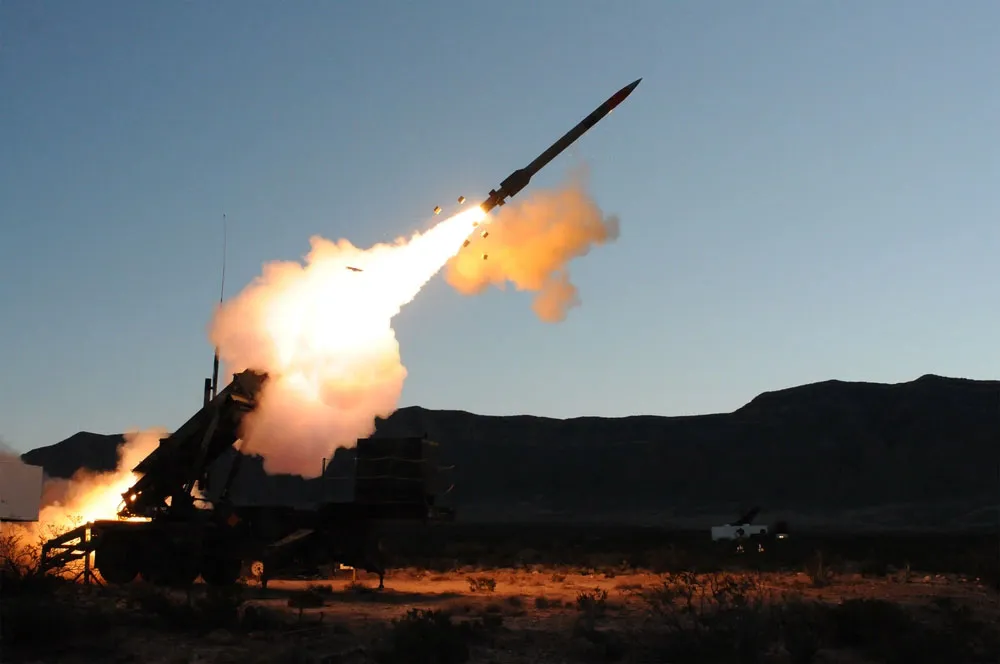
On March 4, March 9, and March 13, 2026, NATO air defense systems intercepted Iranian ballistic missiles heading toward Turkish airspace. March 4: The first missile was destroyed over the eastern Mediterranean before entering Turkish airspace. March 9: The second missile was intercepted near the Turkish-Syrian border, with fragments falling in the Gaziantep area. March 13: A third missile was intercepted near the Incirlik region, a key NATO airbase in southern Türkiye. Reports indicate that U.S. and NATO missile defense systems engaged the incoming projectile, with air-raid sirens briefly activated at military facilities in the area.
Türkiye’s Defense Ministry says NATO missile-tracking systems detected the missiles originating from Iranian territory. These systems include early-warning radar and naval interceptors in the Mediterranean. According to Turkish reports, the missiles traveled through Iraqi and Syrian airspace toward southern Türkiye before interception. NATO officials confirmed that the alliance intercepted ballistic missiles heading toward Turkish territory, and emphasized its readiness to defend a member state. This indicates the launches were treated as a credible external missile threat, not a technical anomaly inside Turkey. Türkiye and NATO say the missiles were launched from Iranian territory.
President Recep Tayyip Erdoğan warned Tehran against further “provocative steps,” stating that persistence in “wrongdoing” would jeopardize their friendship.
The Turkish Defense Ministry has officially reserved the right to respond to “any hostile attitude”, while emphasizing that Türkiye will take all necessary measures to protect its territory and citizens.
The core drivers of hostility is as follows:
Regional Proxy Conflicts: The two nations support opposing sides in several regional conflicts, most notably in Syria, where Iran backs pro-Assad forces and allied militias while Türkiye supports opposition factions and the current Sunni-aligned political leadership in Damascus.
Kurdish Geopolitics: Türkiye has accused Iran of supporting Kurdish militant groups (such as the YPG, PKK, and PJAK) in Syria and Iraq in order to undermine Turkish influence.
Conversely, Iran accuses Türkiye of encouraging Azeri nationalist sentiment within Iran’s northwestern provinces.
NATO vs. Regional Autonomy: Iran views Türkiye’s hosting of NATO radar systems (such as the Kürecik early-warning radar) and U.S. bases like Incirlik Air Base as direct threats to its security. Iranian officials often frame these facilities as part of a broader Western missile-defense network designed to protect Israel.
Competition for Influence: Beyond military friction, the two countries compete for influence across the Islamic world, Central Asia, and the South Caucasus, including disputes over regional transport corridors such as the proposed Zangezur corridor.
Despite the current hostility, several factors historically help prevent a full-scale war. Türkiye remains a major importer of Iranian natural gas, and both countries maintain significant cross-border trade. Further, the two nations share a 530-kilometer border and often cooperate on border security, particularly regarding Kurdish militant activity. Until the recent missile incidents, Ankara frequently attempted to mediate between Iran and Western powers, opposing external military intervention and broad sanctions against Tehran.
Türkiye has responded to the three missile incidents within nine days with a mix of diplomatic protest and defensive military readiness while attempting to avoid a wider regional escalation. Foreign Minister Hakan Fidan has held multiple phone calls with Iranian counterpart Abbas Araghchi, conveying “concern and strong protest” regarding the missile incidents and violations of Turkish airspace. The Turkish Foreign Ministry summoned the Iranian ambassador in Ankara following both the March 9 and March 13 incidents to formally protest the attacks. Despite the repeated interceptions, Turkish officials have avoided invoking NATO Article 4 (consultation) or Article 5 (collective defense), signaling a desire to manage the crisis without triggering a broader alliance-wide conflict.
The Turkish Defense Ministry confirmed that NATO-integrated air and missile defense systems in the Eastern Mediterranean remain on high alert. Following the second strike on March 9, Türkiye deployed six F-16 fighter jets and additional air-defense systems to northern Cyprus to reinforce security in the Eastern Mediterranean. After the March 13 interception near Incirlik, Turkish and allied forces increased readiness levels at NATO facilities across southern Türkiye. The Turkish military has warned that “all necessary measures” will be taken decisively and without hesitation against future threats to Turkish land or airspace.
f hostilities continue, analysts and officials have identified several possible escalatory steps. Further attacks could force Ankara to abandon its mediator role and align more closely with U.S.-led operations against Iran. Turkish military planners have assessed scenarios involving limited incursions into Iranian territory to secure border areas or manage potential refugee flows. Türkiye may intensify strikes against Kurdish groups such as PJAK if it believes Iran is using them as proxies to destabilize Turkish border regions.
Türkiye and Hezbollah remain on opposing sides of the Syrian conflict; Hezbollah supports the former Assad regime’s remnants, while Türkiye supports the Sunni-aligned Islamist administration in Damascus. Although Hezbollah does not maintain a paramilitary presence inside Türkiye, Turkish authorities focus on financial monitoring and intelligence oversight. Turkish authorities, often coordinating with the U.S. Department of the Treasury, have intensified efforts to freeze assets linked to Hezbollah-associated individuals and companies. Ankara has increased surveillance of cash flights and financial corridors suspected of transferring funds from Iran to Lebanon through Turkish commercial and logistics networks.
The March 13 missile interception marks the third Iranian projectile aimed toward Turkish territory within nine days, significantly raising tensions and placing Türkiye in an increasingly difficult position between maintaining regional neutrality and responding to repeated security threats.
One response to “Iran–Türkiye Escalation”
Erdergan warned Teran that if they keep firing missiles at them it would jeopardize their friendship! Wow! Some friendship! Their bond, I think, is their common irrational hatred of Israel. Great article very interesting and informative.