

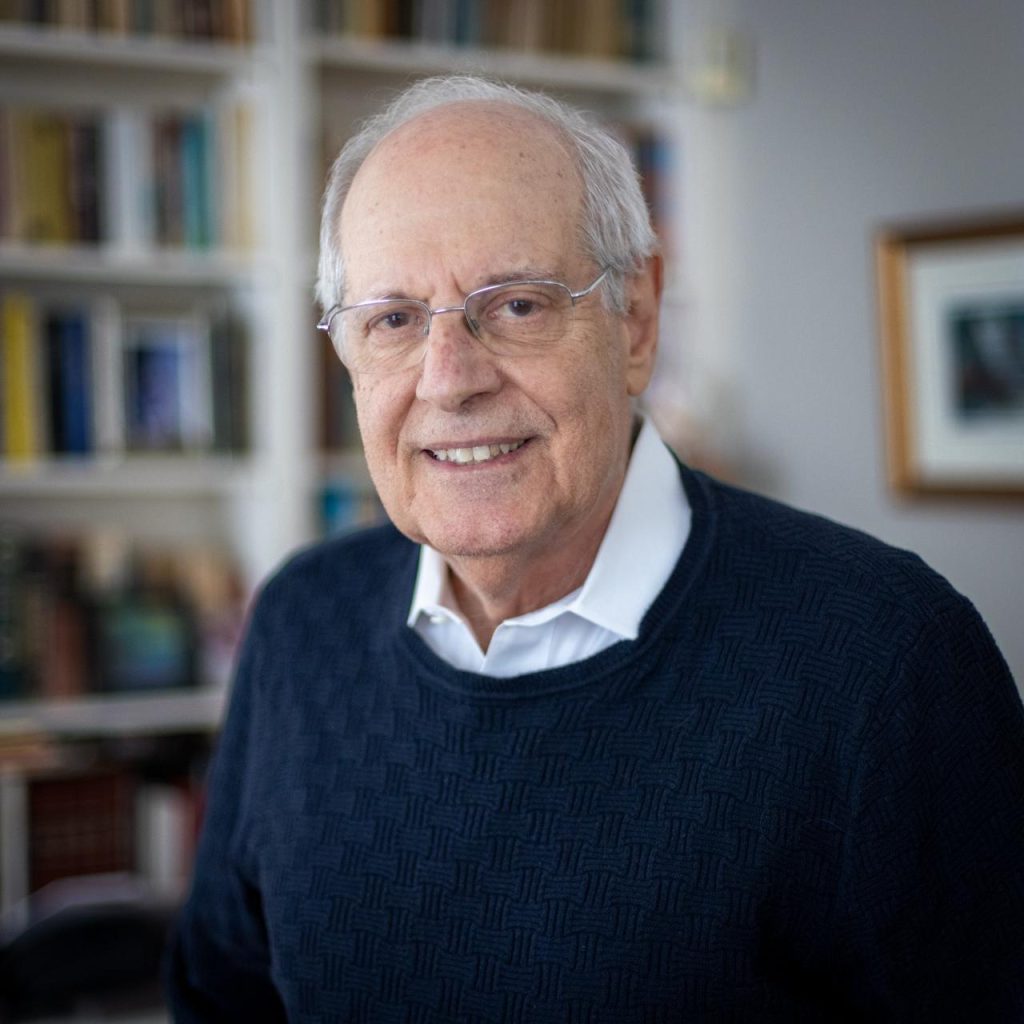
by Charles Jacobs
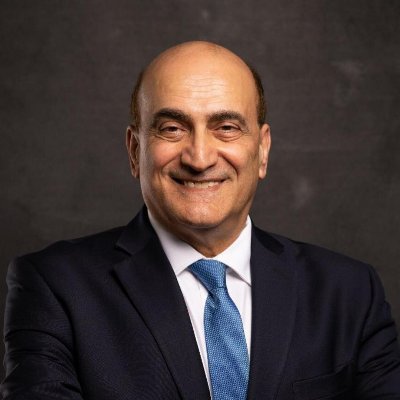
and Dr. Walid Phares
One of the world’s largest human rights coalitions is taking shape, yet almost nobody has heard of it. It includes Muslims, Christians, Jews, Druze, Yazidis, Hindus, Zoroastrians, Kurds, secular activists, atheists, African Christians, Iranian dissidents, and others whose communities have spent decades confronting jihadist movements. What unites them is neither religion nor ethnicity nor politics. It is the recognition that they have all become targets of the same ideology.
The coalition exists for one purpose: resisting jihadism as an ideology and as a terrorist movement while defending the communities it persecutes. That objective is frequently misunderstood. The coalition is not organized against Islam; many of its participants are Muslims who have themselves been persecuted by jihadist movements and political Islam. Its members disagree on religion, theology, and politics. Some are believers, others are not. What unites them is not a shared faith but a shared experience. Communities from every major religious tradition—and from none at all—have reached the same conclusion: jihadism threatens them all.
Why has such a coalition become necessary? Because for decades the victims of jihadism have approached governments, international organizations, and the human rights community separately. Kurdish organizations documented ISIS atrocities. Yazidi survivors appealed to the United Nations after genocide. Coptic Christians spent years documenting church bombings, kidnappings, and forced conversions. Nigerian Christian leaders warned that entire regions were being emptied by Boko Haram and affiliated groups. Ahmadi Muslims described systematic persecution in Pakistan. Iranian dissidents exposed the brutality of the Islamic Republic. Each community fought its own battle. Few recognized that they were confronting different manifestations of the same movement.
Over the past decade, jihadist violence in sub-Saharan Africa has killed more than 150,000 people. Boko Haram and its affiliates have killed tens of thousands of Christians in Nigeria and displaced millions more. Across the Sahel, jihadist insurgencies have devastated societies stretching from Senegal to Somalia. In Sudan, churches have been destroyed, civilians massacred, and women dragged into sexual slavery. The Central African Republic continues to experience repeated attacks by Islamist armed groups. According to the Global Terrorism Index, Burkina Faso, Mali, Niger, and Syria now rank among the countries most affected by terrorism.
The same pattern appears elsewhere. The United Nations recognized the Yazidi genocide nearly a decade ago, yet the Yazidis have largely disappeared from international attention. Ahmadi Muslims continue to face deadly persecution for how they worship. Druze, Christians, Kurds, Alawites, liberal Muslims, and secular activists across the Middle East continue to face violence that rarely commands sustained international concern. Jihadist attacks strike European cities, yet describing the ideology responsible has itself become increasingly controversial.
The question is no longer whether these atrocities are occurring. The question is why so many institutions that claim to defend universal human rights have largely ignored them.
Much of today’s human rights establishment views conflict through a rigid framework that divides societies into oppressors and oppressed, assigning moral standing according to identity rather than conduct. That framework works only until those presumed to be victims become perpetrators themselves. It has no satisfactory explanation for Islamist militias enslaving black Africans, Muslim minorities persecuted by other Muslims, Christians massacred by jihadist organizations, or secular Muslims murdered for rejecting political Islam. Rather than questioning the framework, many institutions simply avert their attention. Entire populations disappear from the international human rights agenda—not because their suffering is disputed, but because acknowledging it would expose the limits of the ideology through which that suffering is interpreted.
The coalition forming today rejects that hierarchy of victims. It begins with a principle that should never have become controversial: human rights are universal. A Nigerian Christian, an Ahmadi Muslim, a Druze family, a Yazidi survivor, a Jewish community, an Iranian dissident, or an African village attacked by jihadists should not receive different degrees of concern because of the identity of those who persecute them.
Nor is this coalition being built from nothing. Organizations representing communities targeted by jihadism have spent decades documenting atrocities, testifying before Congress, appearing before the United Nations, organizing internationally, and defending their own people. Kurds, Lebanese, Copts, Yazidis, African Christians, Muslim liberals, Darfuris, Indian organizations, Iranian dissidents, Arab reformers, and many others have accumulated generations of experience. What has been missing is not evidence or commitment. It has been a common platform.
For the first time, communities that once viewed their struggles as separate are presenting them as different fronts in the same conflict. Kurdish organizations, Nigerian Christians, Ahmadi Muslims, Yazidis, Druze, Copts, Iranian dissidents, Muslim liberals, and others are no longer appealing to policymakers one by one. They are making the same argument together.
The question before Washington is no longer whether each of these communities deserves support individually. That answer should have been obvious long ago. The question is whether policymakers are prepared to recognize what these communities have already learned through painful experience: they are confronting the same ideology, and they intend to confront it together
Charles Jacobs and Dr. Walid Phares are President and Vice President of the International Freedom Coalition, based in Boston